
modern bathroom mirrors with lights
Understanding the Price Range for 150 to 300 Micrometer Products In various industrial applications, the size of particles or materials plays a crucial role in determining their effectiveness and usability. Specifically, products ranging from 150 to 300 micrometers are integral in industries like pharmaceuticals, cosmetics, food processing, and construction. These particles can influence product performance, texture, and absorption rates, hence the pricing for these materials can vary widely. In this article, we will explore the factors affecting the price bracket for products within the 150 to 300 micrometer range, and the implications for businesses and consumers. Market Overview The global market for materials within the 150 to 300 micrometer size range is extensive. These materials are utilized in various forms, including powders, granules, and emulsions, prominently featured in coatings, inks, and food additives. The price for these products can range from a few dollars to several hundred dollars per kilogram, depending on the type of material, production methods, and application needs. Factors Affecting Pricing 1. Material Composition The type of raw materials significantly impacts pricing. Natural materials, like certain clays or minerals, might be cheaper compared to synthetic polymers or specialty chemicals that require advanced manufacturing techniques. For instance, nano-coatings derived from sophisticated chemical processes may fall at the higher end of the price spectrum due to their enhanced characteristics and functionalities. 2. Production Methods The technique used to produce the micrometer-sized particles can also dictate their cost. Traditional milling or grinding processes tend to be less expensive than high-tech alternatives such as laser ablation or high-energy ball milling. The energy requirements, machinery involved, and labor costs play crucial roles here. Therefore, manufacturers often invest in more efficient production methods to lower costs long-term, but initial investment can lead to higher prices initially. 150 to 300 micrometer price 3. Purity and Quality Control High-purity materials often demand higher prices. Industries like pharmaceuticals require raw materials that meet stringent regulatory standards. Consequently, the costs associated with quality control, testing, and compliance contribute to the final pricing. Companies focusing on high-purity products may need to charge a premium, reflecting the investment in quality assurance. 4. Supply and Demand Dynamics Like any commodity, the price of micrometer-sized materials is also influenced by market demand and supply. Increased demand in a rapidly growing sector, such as nanotechnology or sustainable materials, can drive prices higher, especially if production capacities are limited. Conversely, a surplus of raw materials or a drop in demand can lead to reduced prices. 5. Geopolitical and Economic Factors Global events, trade tariffs, and changes in regulations can affect material costs. For example, a trade dispute could lead to increased tariffs on raw materials imported from certain countries, raising prices domestically. Conclusion The pricing for products in the 150 to 300 micrometer range is a complex interplay of material types, production methodologies, purity levels, market dynamics, and broader economic factors. Businesses looking to navigate this market must carefully evaluate their needs and consider the implications of pricing on their supply chain and product development. Understanding these variables can empower businesses to make informed choices, whether they are sourcing cheap raw materials for bulk production or investing in high-purity compounds for specialized applications. As demand continues to grow across sectors, interest in micrometer-sized products is likely to expand. Stakeholders in this market should stay informed about pricing trends and production innovations to maintain a competitive edge and maximize their investment returns. This understanding will not only help in making strategic purchasing decisions but also in anticipating future market shifts and tailoring product offerings to meet evolving consumer needs.
about
modern bathroom mirrors with lights
Understanding Metal Fabrication A Comprehensive Guide Metal fabrication is a vital process in various industries, serving as the backbone for manufacturing countless components and structures. From small precision parts to massive frameworks for buildings, understanding the fundamental aspects of metal fabrication is essential for anyone involved in engineering, construction, or manufacturing. This article explores the key elements, techniques, and materials associated with metal fabrication, along with its applications in modern industry. What is Metal Fabrication? At its core, metal fabrication refers to the creation of metal structures and components from raw materials. This intricate process typically involves a series of steps including cutting, bending, welding, and assembling metal parts. Companies that specialize in metal fabrication often employ advanced machinery and techniques to ensure precision and efficiency in their operations. The Process of Metal Fabrication Metal fabrication encompasses several distinct processes 1. Cutting This initial stage involves converting large metal sheets or bars into smaller, desired shapes or sizes. Techniques used in cutting include shearing, sawing, laser cutting, and water jet cutting. The choice of method depends on the type of metal, thickness, and the precision required for the finished product. 2. Bending After cutting, the next step is bending the metal to achieve the desired angles and curves. This process employs various tools and machines, including press brakes and roll benders. The aim is to form the metal without compromising its integrity or structural properties. 3. Welding Welding is a crucial aspect of metal fabrication that involves joining two or more pieces of metal together through heat and pressure. Various welding techniques, such as MIG (Metal Inert Gas), TIG (Tungsten Inert Gas), and arc welding, are employed depending on the materials and the required strength of the joints. 4. Finishing The finishing stage enhances the surface quality and appearance of the fabricated parts. Techniques such as sanding, polishing, and painting not only improve aesthetics but also help protect the metal from corrosion and wear. 5. Assembly Finally, the fabricated components are assembled into the final product. Assembly can involve additional fastening methods, such as riveting or using bolts and screws, depending on the application. Materials Used in Metal Fabrication Metal fabrication utilizes a wide range of materials, each with unique properties suited for different applications. Some of the most commonly used metals include metal fabrication table - Steel Known for its strength and versatility, steel is widely used in construction and manufacturing. Variants such as stainless steel and carbon steel provide enhanced corrosion resistance and improved mechanical properties. - Aluminum Lightweight and resistant to corrosion, aluminum is ideal for applications where weight reduction is crucial, such as in the aerospace and automotive industries . - Copper Noted for its excellent conductivity, copper is predominantly used in electrical applications and plumbing. - Titanium Recognized for its high strength-to-weight ratio and resistance to corrosion, titanium is often utilized in medical devices, aerospace, and specialized equipment. Applications of Metal Fabrication The applications of metal fabrication are extensive and varied, spanning numerous industries - Construction Metal fabrication is essential in creating structural components for buildings, bridges, and other infrastructures. - Automotive The automotive industry relies heavily on metal fabrication for manufacturing parts such as chassis, body panels, and engine components. - Aerospace Precision metal fabrication is critical in aerospace, where safety and performance are paramount. - Manufacturing Equipment Many industrial machines require fabricated metal parts to function efficiently, making metal fabrication an integral part of the manufacturing process. Conclusion In conclusion, metal fabrication plays a crucial role in modern industry, providing the foundation for countless products and structures. By understanding the processes, materials, and applications involved in metal fabrication, stakeholders can better appreciate its significance. As technology continues to advance, the methods and capabilities of metal fabrication will undoubtedly evolve, paving the way for even more innovative solutions in various fields. Whether you are an engineer, designer, or manufacturer, familiarizing yourself with metal fabrication will enhance your ability to contribute to this essential industry.
-

High quality industrial productsagement

High quality industrial products
View Details -

Meet the diverse needs of customers

Meet the diverse needs of customers
View Details -

Strict quality control

Strict quality control
View Details -

Top raw materials

Top raw materials
View Details -

Trusted supplier

Trusted supplier
View Details
Our application


news and information
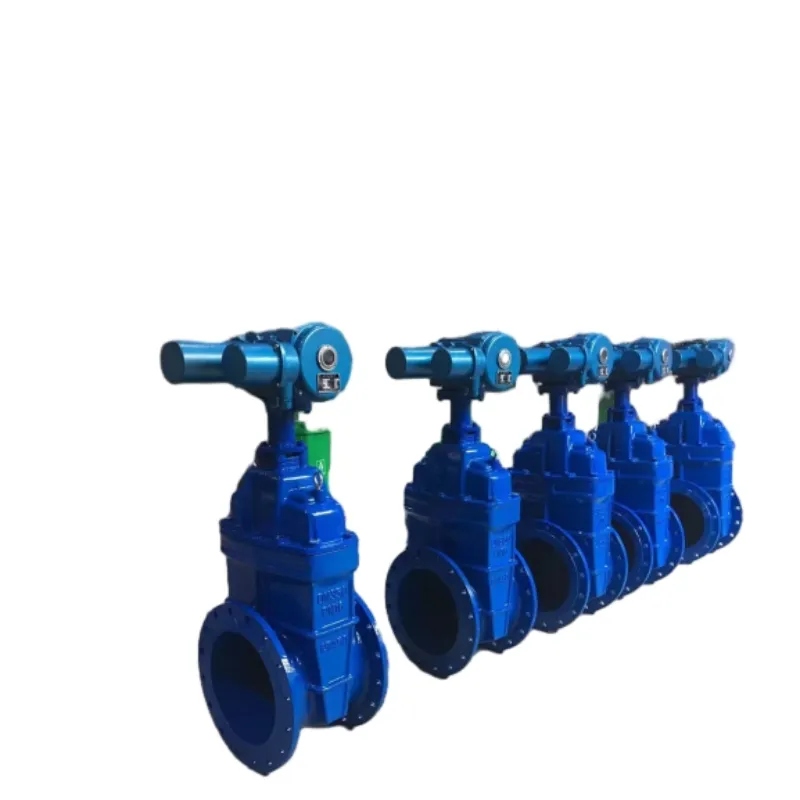
valve company
Valve Corporation, an iconic name in the gaming industry, has consistently set benchmarks in interac
water valve 1 2
Understanding Water Valve 1-2 Functionality and Applications Water valves are essential components i

Valvola di ritegno al 6% per applicazioni industriali e resistenza ottimale
Valvole di Controllo al 6% Importanza e ApplicazioniLe valvole di controllo sono elementi fondamenta
 English